

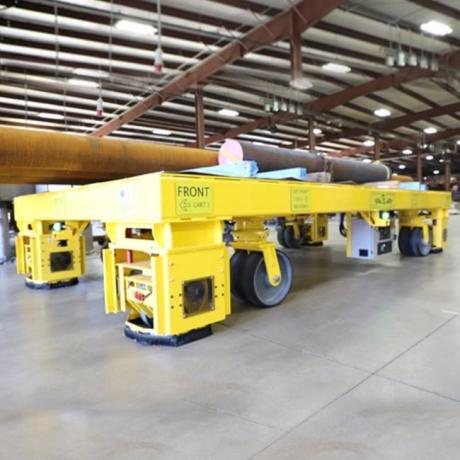
In industries that rely on warehousing, logistics, and manufacturing, efficiency and safety are paramount. Businesses are constantly seeking ways to optimize their workflows while ensuring a safe working environment for employees. One of the most effective ways to achieve these goals is through the implementation of motorized material handling equipment. These machines play a vital role in transporting, lifting, and storing goods, reducing the reliance on manual labor and minimizing workplace hazards.
The Role of Motorized Material Handling Equipment
Material handling is an essential function in various industries, including retail, e-commerce, construction, and manufacturing. Traditionally, goods were moved manually, requiring extensive physical labor. This not only slowed down operations but also increased the risk of injuries and inefficiencies. With technological advancements, businesses now rely on motorized solutions such as forklifts, conveyor belts, automated guided vehicles, and electric pallet jacks to streamline processes.
By reducing physical effort and automating repetitive tasks, these machines significantly enhance productivity while promoting a safer work environment.
Enhancing Productivity with Motorized Material Handling Equipment
Faster Transportation of Goods
One of the most significant benefits of using motorized equipment is the speed at which goods can be transported within a facility. Unlike manual labor, which is limited by human endurance, machines operate continuously and consistently. Forklifts can move heavy pallets across warehouses quickly, while conveyor systems transport items with minimal delay. This efficiency leads to faster order processing and improved overall workflow.
Reduced Downtime and Increased Output
In many industries, time is money. Motorized handling equipment reduces downtime associated with manual lifting and moving, allowing workers to focus on other tasks that add value. Automated systems, such as robotic picking solutions, work around the clock, ensuring that operations continue without unnecessary interruptions.
Improved Accuracy in Handling Materials
Precision is crucial in material handling, particularly in sectors like pharmaceuticals, automotive, and e-commerce, where order accuracy directly impacts customer satisfaction. Manual handling often leads to errors, such as incorrect product selection or damage due to mishandling. Motorized equipment, such as automated storage and retrieval systems, ensures that materials are handled with precision, reducing errors and improving order accuracy.
Optimized Space Utilization
Warehouses and manufacturing facilities must maximize space to accommodate growing inventories. Motorized equipment allows businesses to use vertical storage efficiently, reducing the footprint required for storing goods. High-reach forklifts and automated storage solutions enable organizations to make better use of their available space, leading to higher storage capacity and improved organization.
Enhancing Safety in the Workplace
Reduction in Workplace Injuries
Manual lifting and handling of heavy materials can lead to injuries such as muscle strain, back problems, and repetitive motion disorders. Motorized equipment eliminates the need for workers to perform physically demanding tasks, reducing the risk of work-related injuries. As a result, businesses experience fewer workers' compensation claims and lower medical expenses.
Improved Load Stability
Transporting materials manually increases the likelihood of drops and spills, leading to product damage and potential hazards. Motorized solutions, such as forklifts equipped with load stability features and automated guided vehicles, ensure that goods are handled securely, reducing the chances of accidents and product loss.
Better Control and Safety Features
Modern material handling machines come equipped with advanced safety features, including anti-tip technology, speed controls, and operator alerts. These features help prevent collisions, equipment malfunctions, and operational errors. Additionally, automated systems eliminate the need for human intervention in dangerous environments, further enhancing safety.
Compliance with Safety Regulations
Occupational safety regulations require businesses to implement measures that protect workers from hazards associated with material handling. Motorized solutions help organizations comply with these regulations by minimizing manual labor and providing safer handling mechanisms. Ensuring compliance not only protects workers but also helps businesses avoid costly fines and legal liabilities.
Industries That Benefit from Motorized Material Handling Equipment
Warehousing and Distribution
Large warehouses and distribution centers rely heavily on motorized material handling systems to manage high inventory volumes efficiently. Automated picking and sorting systems enhance order fulfillment speed and accuracy, while forklifts and pallet jacks ensure seamless transportation of goods.
Manufacturing
Factories use motorized equipment to move raw materials and finished products along production lines. Conveyor systems, robotic arms, and automated transporters streamline manufacturing processes, leading to higher efficiency and reduced production time.
Retail and E-Commerce
The rapid growth of e-commerce has increased the need for efficient order processing and inventory management. Automated storage and retrieval systems, combined with conveyor belts and robotic picking solutions, enable retailers to meet customer demands quickly and accurately.
Construction
The construction industry benefits from material handling equipment for lifting heavy materials such as steel beams, concrete blocks, and machinery. Cranes, motorized hoists, and forklifts make it easier to transport and position materials safely and efficiently.
Choosing the Right Motorized Equipment
Assessing Operational Needs
Before investing in motorized handling solutions, businesses must evaluate their specific operational requirements. Factors such as the type of materials handled, facility size, and volume of goods processed should be considered when selecting equipment.
Cost vs. Long-Term Benefits
While motorized material handling equipment requires an initial investment, the long-term benefits far outweigh the costs. Reduced labor expenses, increased productivity, and lower injury rates contribute to higher overall savings and improved return on investment.
Employee Training and Maintenance
Proper training is essential for employees who operate motorized equipment. Businesses should provide thorough training programs to ensure that workers understand safety protocols and efficient handling techniques. Additionally, regular maintenance and inspections should be conducted to keep equipment in optimal working condition and prevent unexpected breakdowns.
Future Trends in Motorized Material Handling
Automation and Robotics
Advancements in automation and robotics continue to transform material handling. Smart warehouses equipped with robotic picking systems, self-driving forklifts, and AI-powered inventory management tools are becoming increasingly common, further improving efficiency and accuracy.
Sustainability Initiatives
Many industries are shifting towards eco-friendly handling solutions by adopting electric-powered equipment instead of fuel-based alternatives. Battery-powered forklifts and energy-efficient conveyor systems reduce carbon emissions and contribute to sustainability efforts.
Integration with Digital Systems
The integration of motorized handling equipment with warehouse management software and IoT technology enhances real-time monitoring, predictive maintenance, and data-driven decision-making. These innovations help businesses optimize their operations and maintain a competitive edge.
Conclusion
Motorized material handling equipment plays a vital role in improving productivity and safety across various industries. By reducing manual labor, increasing efficiency, and minimizing workplace hazards, these systems help businesses streamline operations and achieve long-term success. As technology continues to advance, the future of material handling will be shaped by automation, sustainability, and digital integration, further enhancing workplace efficiency and safety.